
Learn how Gurgaon’s Relentless Hustle is Masking Deep, Unresolved Trauma
TL;DR (Too Long; Didn’t Read)
- Gurgaon’s high-pressure, productivity-driven culture often masks deep emotional wounds and unresolved trauma.
- Constant hustle becomes a coping mechanism that replaces reflection, rest, and genuine emotional processing.
- Trauma shows up as overworking, dissociation, emotional numbness, anxiety, irritability, shutdown, or feeling “on autopilot.”
- Many success traits like hyper-productivity, perfectionism, and staying busy are actually psychological defenses.
- Trauma persists because the nervous system remains stuck in survival mode (fight/flight/freeze), making stillness feel unsafe.
- Unresolved trauma impacts physical health, emotions, cognition, relationships, and daily functioning.
- Healing requires structured trauma therapy, stabilization, processing, and integration, not willpower or distraction.
- Evidence-based therapies like EMDR, TF-CBT, Somatic Experiencing, DBT, Narrative Therapy, and IFS effectively support trauma recovery.
- Coach For Mind offers a safe, slow-paced therapeutic environment that counterbalances Gurgaon’s hectic lifestyle.
- A 15-minute discovery call gently maps your nervous system, goals, and coping patterns to begin healing safely
Gurgaon (Gurugram) is a city built on the relentless pursuit of success. It’s a gleaming testament to India’s corporate ambition,a concrete jungle where glass towers pierce the skyline and the economy never sleeps. Professionals come here from across the country, drawn by the promise of high-growth careers, better salaries, and a modern lifestyle.
However beneath this fast, shiny, high-pressure lifestyle is a reality many people don’t see. The same speed that helps Gurgaon grow is also quietly creating a mental-health crisis. People are staying so busy that they don’t notice the deeper emotional pain they’ve been carrying for years.
In a city where time is literally money, where the pressure to perform is unrelenting, and where work-life balance often feels like a myth, many individuals are unknowingly using the constant hustle as a faulty coping mechanism.
They are exchanging self-reflection for deadlines, emotional processing for extra hours, and connection with self for networking. This chronic state of distraction prevents the mind from engaging with painful past experiences, but it doesn't heal them, it merely pushes them further down, creating a ticking emotional time bomb.
If you are living the Gurgaon grind and noticing signs of emotional exhaustion, burnout, or buried trauma, you don’t have to navigate it alone. Coach For MInd offers offline therapy sessions in Gurgaon, a calm and safe space for those who are tired of being on the go all the time. Come Visit Us at: Reach 3 Roads, My Tower, 8-03A, Sector 70, Gurugram
If you're unsure where to begin, start small. A 15-minute discovery call can help you clarify what you’re experiencing, understand your therapeutic needs, and get matched with the right therapist.
What is Psychological Trauma?
To understand how the city's pace masks this problem, we must first define the core issue.
Trauma is understood as a deeply distressing and disturbing event or experience that can be disturbing. It's not just the event itself, but the overwhelming emotional and physiological response to it that leaves a lasting imprint on the mind and body. This can range from single-incident events like accidents, violent crimes (which, as you noted, are a persistent concern in Delhi-NCR), or loss, to prolonged exposure traumas such as chronic abuse, neglect, or living in a state of hyper-vigilance due to environmental insecurity.
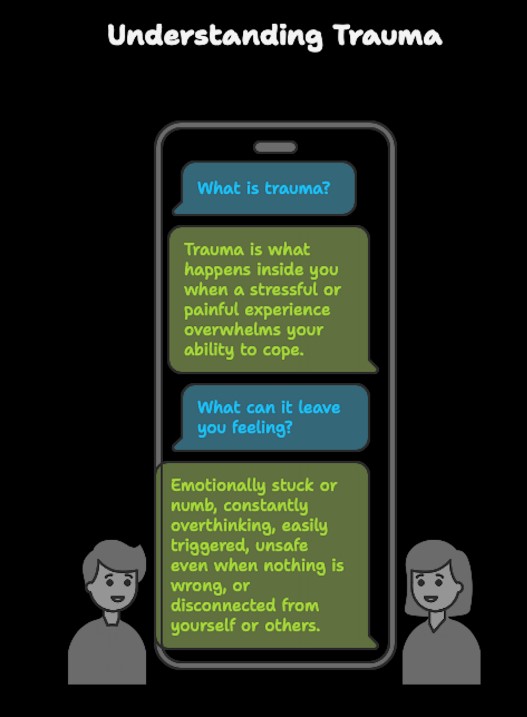
Trauma doesn’t always look dramatic or obvious. It isn’t only about flashbacks or being unable to function.In simple terms, trauma is what happens inside you when a stressful or painful experience overwhelms your ability to cope.
It can leave you feeling:
- emotionally stuck or numb,
- constantly overthinking
- easily triggered,
- unsafe even when nothing is wrong, or
- disconnected from yourself or others.
Gurgaon’s culture of speed doesn’t just exhaust people,it reshapes their internal world. When a city normalizes urgency, unpredictability, and constant performance pressure, the nervous system adapts by staying in a chronic state of overactivation. Over time, stillness begins to feel unsafe, slowness feels like failure, and silence becomes threatening. What looks like ambition from the outside is often a survival response on the inside, a nervous system so used to running that it no longer remembers how to rest.
Therapists often see a pattern of functional freeze, a state where someone looks high-functioning on the outside, meeting deadlines and delivering results, but internally feels restless, numb, or burnt out. Trauma thrives in environments without pause, while healing needs slowness, reflection, and co-regulation - all things the Gurgaon lifestyle quietly suppresses. These internal shifts don’t happen in isolation, the lifestyle itself reinforces them.
Emotional Cost of Living in Gurgaon
While violence and crime are visible traumatic causes, the hidden cause in a city like Gurgaon is the sheer fast-paced life lived by most people today.
Starting from professionals with demanding, 12+ hour shifts to homemakers navigating a stressful domestic environment, and even children of this generation juggling hyper-competitive academics and screen-time pressure,no one seems to have the time to simply connect with themselves.
While facing problems is a part of life, constant, high-level engagement in today’s ever-speeding world is handicapping people who have already gone through traumatic experiences in their past. They do not have the time to sit back and even consider seeking help. The need to "keep up" becomes a relentless pursuit that drowns out the internal pain.
Trauma researcher Dr. Judith Herman notes that environments marked by chronic pressure, unpredictability, and emotional overload can create trauma-like responses,even without a single catastrophic event. Gurgaon’s culture of speed mirrors many of these conditions.
This is the reason why the best psychotherapist in Gurgaon often says that identifying the problem and having the resolve to overcome the challenge is the first step to recovery.
The Mask of the Gurgaon Hustle
The constant, pressured activity in Gurgaon acts as a powerful form of avoidance, a core symptom of trauma-related conditions like Post-Traumatic Stress Disorder (PTSD).
The city’s culture reinforces this avoidance:
| Gurgaon Stressor | Emotional Masking Effect |
|---|---|
| Relentless Deadlines & Long Hours | Keeps the mind preoccupied with external tasks, preventing intrusive thoughts or emotional processing. A numb productivity. |
| Competitive Social & Corporate Scene | Focuses energy outward on performance, appearance, and status. Diverts attention from inner self-esteem wounds. |
| Traffic & Sensory Overload | Maintains the nervous system in a state of hyper-arousal (fight-or-flight), which can feel familiar to a trauma survivor, mistaking anxiety for alertness. Normalizes a state of panic. |
| Transient Population & Isolation | High turnover of friends and colleagues prevents the formation of deep, trust-based relationships where vulnerability and sharing of trauma can occur. Reinforces emotional detachment. |
The individual tells themselves, "I don't have time to be sad/anxious/angry, I have a meeting in five minutes." In that moment, the work is prioritized over the wound, and the wound, left unaddressed, begins to quietly fester.
When someone thinks, “I can’t feel this right now, I have work to do,” the brain quickly switches into task mode to avoid discomfort. It is a protective mechanism where the mind chooses productivity over pain because it is safer and more manageable.
In the short term, this works. It will help you get through the day, deliver the presentation, or meet the deadline. But emotional avoidance always comes with a cost: the feelings don’t resolve; they simply accumulate beneath the surface. Over time, this suppressed emotional build-up can lead to irritability, burnout, anxiety spikes, somatic symptoms, or a sudden emotional crash that feels “out of nowhere.”
Here’s a real example of how this shows up. Case Vignette:
Soumya (name changed), a 29-year-old marketing lead working in Cyber City, came to therapy believing she simply had “work stress.” She was proud of being the one who could always handle late-night meetings, last-minute pitches, and constant pressure.On weekends, when there was finally silence, she would suddenly feel restless, panicky, or emotionally flat.
At first, she blamed this on burnout but during therapy, she realized something deeper:
- Her need to stay constantly busy was a defense against childhood trauma.
- The moment she slowed down, her body began releasing emotions she had suppressed for years.
- Gurgaon’s high-octane lifestyle had unintentionally become the perfect hiding place for unresolved pain.
With trauma-focused therapy and gentle pacing, she learned to tolerate quiet moments without spiraling. She began to recognize the difference between genuine rest and emotional shutdown, and to understand that her drive to stay constantly “on” was an old survival response.
The Hidden Psychological Defenses That Gurgaon Normalizes
Gurgaon’s fast-paced lifestyle often looks like ambition, productivity, or success from the outside. But many of the behaviors this city praises are actually psychological defenses, ways the mind protects itself when carrying unresolved stress or trauma.
Most people don’t realize they’re using these defenses because Gurgaon rewards them. Yet, in therapy, we often see that these patterns are signs of a nervous system under strain.
Here are the four most common defenses that show up in everyday professional life:
- Intellectualization:
In high-pressure workplaces, it’s common to stay focused on logic, tasks, and productivity to avoid uncomfortable emotions. This is the nervous system’s way of staying in control when emotions feel too overwhelming or too risky. In simple terms Staying in “Work Mode” to Avoid How You Really Feel
It can look like:
- Throwing yourself into work whenever you feel lonely or overwhelmed
- Explaining your emotions instead of feeling them
- Feeling more comfortable with spreadsheets than with conversations about your well-being
You receive critical feedback and immediately start analyzing how to “fix” it, without noticing the anxiety in your stomach or the fear of disappointing someone. Fast-paced environments like Gurgaon reward hyper-rationality, so many people never notice they’re using logic to avoid vulnerability. At Coach For Mind Therapists gently notice when you talk about emotions rather than experiencing them. We help you reconnect with your feelings safely so you don’t have to live only in your head.
- Dissociation:
Dissociation is more common in Gurgaon than people realize. It’s a way the mind protects you when something feels emotionally threatening. This in simple terms means “Switching Off” when stress peaks.
It can look like:
- Feeling spaced out in a meeting
- Forgetting parts of conversations
- “Going numb” after long workdays
- Feeling disconnected from what’s happening around you
You suddenly freeze or go blank during a presentation,not because you’re unprepared, but because your body has instinctively shut down to manage stress. In cities like Gurgaon, people often mistake dissociation for fatigue or zoning out. In therapy, we look for moments where your mind seems far away or where your body reactions don’t match your words. We teach grounding techniques to help you stay present and feel safe.

- Over-Productivity:
Overworking is often a trauma adaptation disguised as ambition. The nervous system equates stillness with danger, so “doing” becomes the only way to feel okay. Many professionals in Gurgaon don’t rest because they enjoy being busy, they rest only when their bodies force them to. This is in simple terms means Feeling Guilty When You’re Not Working
It can look like:
- Feeling uneasy during weekends
- Working late even when there’s no need
- Feeling like you’re “falling behind” if you slow down
- Taking on extra tasks to avoid personal stress
Even after finishing your work, you volunteer for another project because the idea of going home and sitting quietly feels uncomfortable. In therapy, we notice when your self-worth seems tied to productivity. Therapy helps you understand what emotional need overworking has been covering, often fear, shame, or old conditioning.
Case Vignette: The Entrepreneur Who Mistook Trauma for Ambition
Arjun, a 35-year-old entrepreneur from Golf Course Road, believed that his intense drive and 14-hour workdays were signs of ambition. He came to therapy after experiencing sudden anxiety attacks during a vacation, his first break in years.
Through therapy, he discovered:
- His constant push for achievement was rooted in a fear of failure connected to early emotional neglect.
- Success wasn’t fueling him, fear was.
- The relentless pace of Gurgaon allowed him to avoid confronting this fear for almost a decade.
As therapy progressed, Arjun learned to differentiate between healthy ambition and trauma-driven overachievement. He now works with intention, not compulsion.
- External Validation:
When early emotional needs aren't met, the adult nervous system learns to chase approval to feel safe. Gurgaon’s competitive culture can make it easy to rely on success, appearance, or status to feel confident.
It can look like:
- Feeling low when you’re not acknowledged
- Constantly comparing yourself to colleagues
- Feeling anxious if your performance isn’t praised
- Defining yourself mainly by your job title or salary
A single comment from your manager, positive or negative,can determine your mood for the entire day. Your therapist will explore the moments when external approval feels essential. Together, we build a more stable, internal sense of self-worth so you don’t have to chase validation to feel grounded.
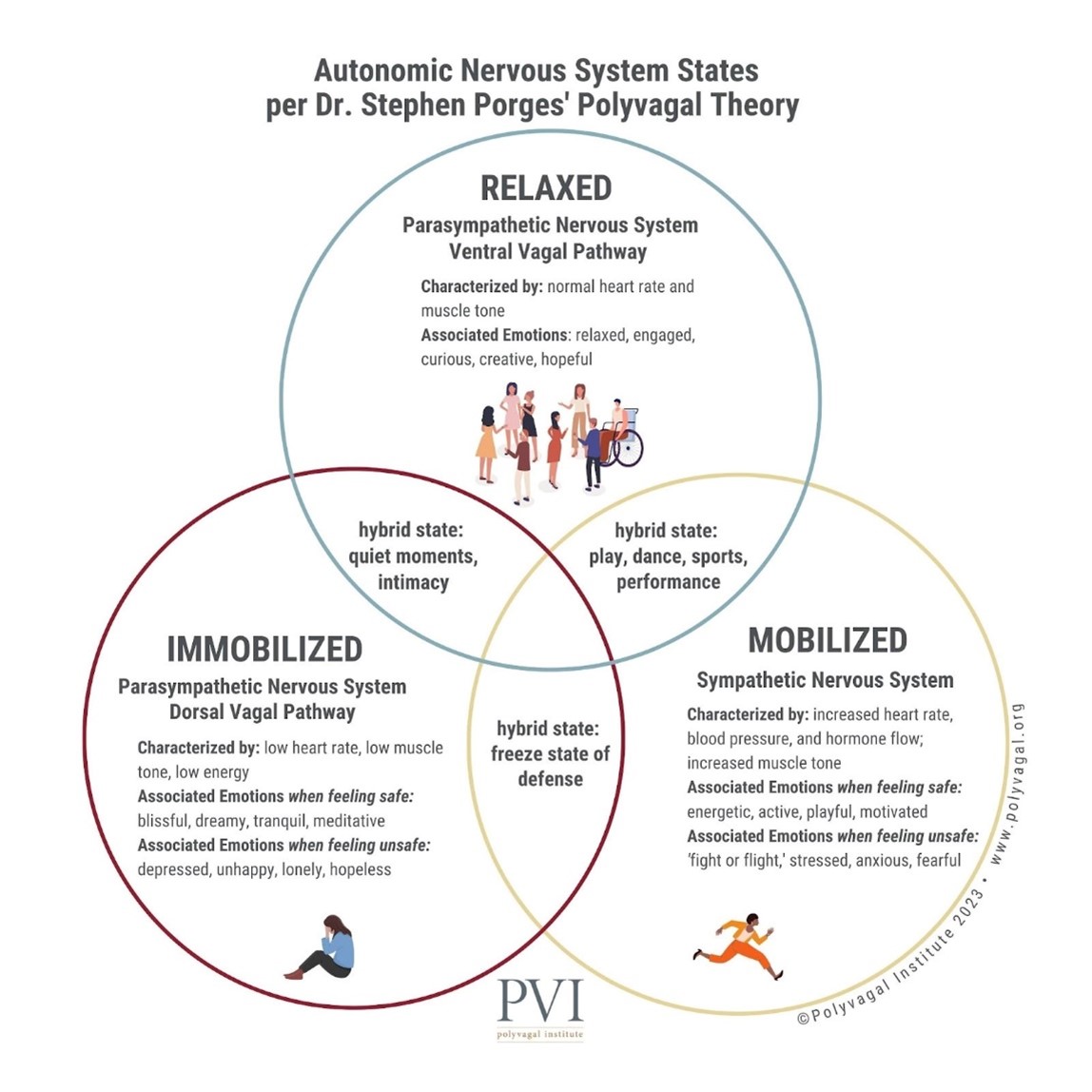
According to Dr. Stephen Porges’ Polyvagal Theory, the nervous system constantly scans for cues of safety or threat. When life feels fast, unpredictable, or overwhelming,as it often does in Gurgaon,the body can remain stuck in fight-or-flight or collapse mode, making rest feel unsafe. This explains why Gurgaon’s pace doesn’t just ‘stress people out’, it keeps their physiology stuck in survival mode.”
Source: polyvagalinstitute.org/whatispolyvagaltheory
Consequences of Unresolved Trauma
Psychologists in Gurugram have different specializations, but all concur: if trauma remains unresolved, it can destroy lives completely.
Unresolved trauma is not a contained issue; it’s an emotional tremor that ripples through every aspect of life. It can not only hamper daily life functions, but it can also have a negative impact on your personal, professional, and social life while dwindling in a fragile emotional state.
The best psychotherapist in Gurgaon says that these unresolved traumatic emotions and experiences can harm interpersonal relationships and your self-esteem as well. The pent-up emotions, unprocessed experiences, and possible reoccurrences/flashbacks of the traumatic events,that you tried to hide away in the depths of your mind consciously or unconsciously,can erupt without your awareness and may lead to panic attacks as well. This eruption often occurs when the constant distraction of the "hustle" suddenly stops, such as during a quiet weekend or a forced break.
Trauma researchers note that when emotional wounds remain unprocessed, the brain continues to operate from a threat-based state, even in safe environments. This means your body responds to everyday stressors: traffic, workplace pressure, relationship conflict as if they are dangers. Understanding this helps clients realize that their reactions are rooted in physiology, not personal failure.
Common Trauma Responses
As every individual is unique, and so is their experience with trauma,there are no correct or absolute responses that one might act upon after facing traumatic events. Trauma does not show up in just one way. Two people can experience the same event and respond entirely differently, because our histories, bodies, and internal worlds are unique.
What is common, however, is that trauma leaves traces , in the body, in emotions, in thinking patterns, and often in places people don’t immediately associate with trauma.
However, recognizing these common manifestations is the essential first step toward healing.
Psychologists in Gurugram make sure to understand the uniqueness of their clients and help them deal with their unresolved trauma through methods that fit them best.
- Physical Responses (Somatic):
Trauma often shows up in the body long before we consciously recognize it.
Somatic responses are your nervous system’s way of saying: “Something inside me still feels unsafe.”
These include:
- Headaches or chronic migraines that appear during emotional overwhelm
- Digestive issues (IBS, nausea, stomach tightness) during stress or conflict
- Sleep disturbances, nightmares, or waking up in panic
- Racing heart, palpitations, or chest tightness
- Shakiness, sweating, trembling during difficult conversations
- Dizziness or sudden fatigue when facing emotionally heavy topics
- Elevated blood pressure triggered by stress
Why this happens:
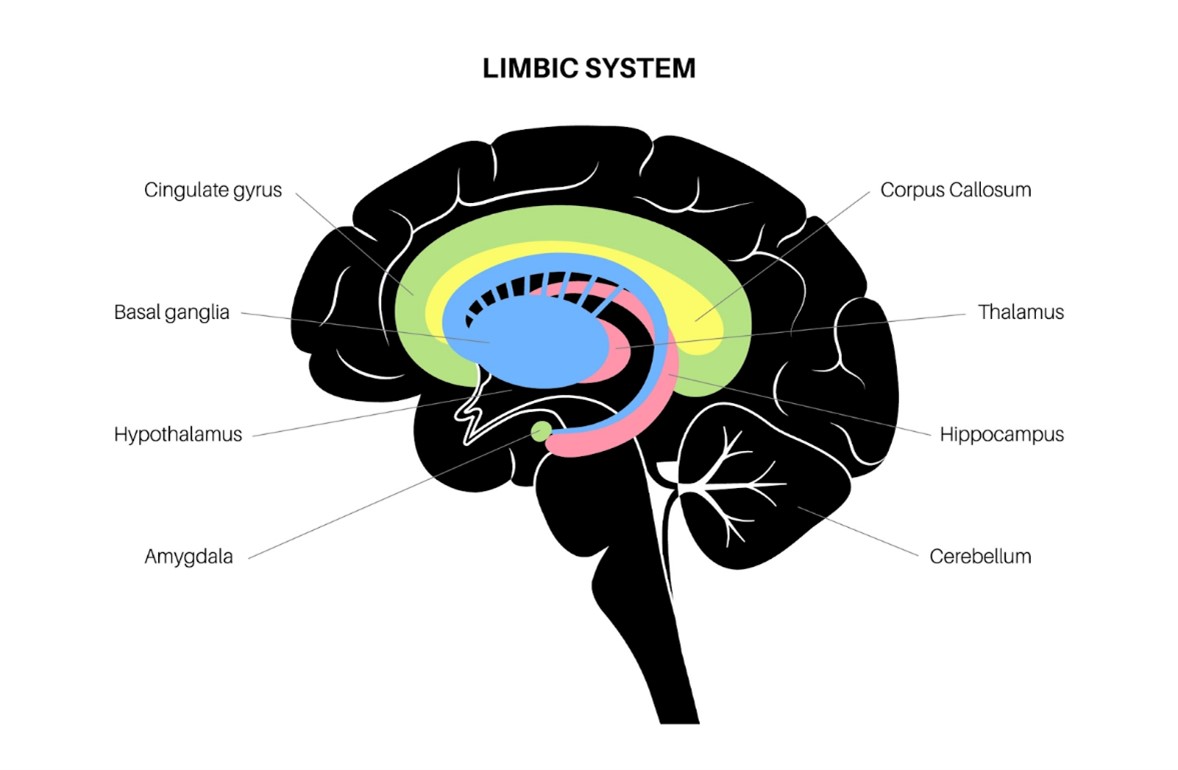
Research by trauma expert Dr. Bessel van der Kolk shows that trauma reactivates the brain’s alarm system (amygdala), making the body respond as if the threat is still present. They say trauma literally reshapes the brain’s alarm system, making individuals more reactive to stress and less able to stay grounded during everyday challenges. This is one reason Gurgaon’s high-intensity pace can feel overwhelming for trauma survivors.
- Emotional Responses (Affective)
These represent the ongoing disruption of the nervous system's ability to regulate mood and safety. This doesn’t mean a person is “too sensitive”, it means their nervous system is doing its best to protect them.
- Feeling unsafe, even in familiar or secure environments
- Frequent panic, sudden fear, or persistent worry
- Intense shame or guilt, often without clear triggers
- Irritability or anger, sometimes erupting unexpectedly (road rage is a common example in Gurgaon)
- Feeling numb, empty, or disconnected
- Crying spells without understanding why
- Persistent low mood or depressive symptoms
- Generalized anxiety that seems unrelated to any single event
Trauma survivors often describe emotions as “too much” or “not there at all.” Both are trauma responses, overwhelm and shutdown are two sides of the same nervous-system struggle.
- Cognitive Responses (Thought-Level): When Trauma Affects the Way You Think
Trauma impacts attention, memory, decision-making, and perception. This isn’t a sign of weakness, it’s a neurological consequence of overwhelm.
Common cognitive responses:
- Difficulty concentrating at work
- Difficulty making decisions, leading to analysis paralysis (“What if I choose wrong?”)
- Memory gaps or forgetfulness
- Intrusive memories or flashbacks
- Feeling detached from reality (derealization)
- Feeling detached from yourself (depersonalization)
- Overthinking or constant worrying about future danger
What this feels like in daily life:
- Sitting in a meeting but feeling mentally “foggy”
- Re-reading the same email three times
- Forgetting simple tasks
- Feeling like you're “floating outside your body” during stress
- Panic when your routine is disrupted
These symptoms are often mistaken for ADHD, “being distracted,” or “not trying hard enough.”
But in clinical reality, they are signals of a mind that has been carrying too much for too long.
As trauma researcher Dr. Judith Herman notes, trauma fragments our inner sense of time, meaning, and safety , leaving the nervous system on constant alert. This makes everyday tasks feel heavier, slower, or harder than they should.
How to Effectively Deal with Trauma: A Psychologist’s Perspective
Trauma is not resolved through willpower, distraction, or "moving on." From a clinical standpoint, healing occurs when the internal conditions that prevented emotional processing in the past are finally safe enough to allow it in the present.
Unresolved trauma lives in the body and the unconscious. It quietly reorganizes the nervous system around protection rather than connection, leading to a host of related issues: anxiety disorders, depression, dissociation, substance use, and chronic physical symptoms.
Healing from trauma is not about forgetting; it is about processing the memory so that it no longer triggers a debilitating threat response in the present. It’s about integrating the traumatic experience into your life story without letting it control your identity or future.
Why Trauma Cannot Be Healed Alone (The Co-Regulation Principle)
Clinically, trauma is not just a cognitive memory, it is a physiological state held by the nervous system. When a person attempts to process intense trauma alone, they often encounter:
1- Hyperarousal: Hyperarousal is the physiological state of being "stuck" in the Sympathetic Nervous System mode, meant for fight or flight. In trauma, this system remains constantly activated, even when objectively safe.
- Manifestations in Metro cities like Gurgaon: This looks like panic attacks in traffic, sudden road rage (fight), insomnia (inability to rest), feeling "on edge" or perpetually ready for a confrontation (hypervigilance). Hyperarousal often gets mislabeled as “anger issues” or “impatience” in work spaces and relationships, affecting the quality of your daily life.
- Racing Thoughts: The mind bombards itself with "What if?" scenarios and worst-case predictions, attempting to mentally solve the perceived threat. This is the cognitive expression of the body's fight response.
According to Dr. Peter Levine, the founder of Somatic Experiencing, Hyperarousal represents "biological residue." It is the intense energy of the survival response (like the need to run or fight) that was never fully completed or discharged during the traumatic event. This trapped energy is what fuels the racing heart and agitation.
2- Shutdown: Shutdown is the opposite extreme, triggered by the Dorsal Vagal System when escape or fighting is impossible. It is the primitive freeze or collapse response, an energy conservation strategy. This shutdown can look like “functioning on autopilot” for a lot of people, which is often misunderstood as burnout alone.
- Manifestations in Gurgaon: This often appears as emotional numbness (feeling flat or empty), dissociation(feeling disconnected from oneself or one's surroundings, like "zoning out" during meetings), and chronic fatigue or weakness.
- Emotional Blunting: This protective mechanism makes strong feelings inaccessible. The individual is functioning on low power, able to perform basic tasks but unable to feel joy, sorrow, or deep connection.
- Dr. Janina Fisher, known for her work on structural dissociation, explains that shutdown is often the mind's way of creating distance from unbearable pain. This leads to structural dissociation - where the personality splits into parts dedicated to daily life (Apparently Normal Part) and parts that hold the trauma (Emotional Part), making the individual feel fragmented or inauthentic.
3- Avoidance: Avoidance is the conscious or unconscious effort to sidestep reminders of the trauma or the uncomfortable feelings generated by the hyperaroused/shutdown state.
- Manifestations in Gurgaon: This is perfectly exemplified by the "Gurgaon Hustle" - working 14-hour days, endless scrolling, excessive consumption (alcohol, shopping, media), or maintaining a perfect, emotionless façade.
- Impact: While avoidance offers temporary relief, it ultimately reinforces the trauma by telling the nervous system that the emotional material is still too dangerous to process. This creates a cycle where the only "safe" state is constant distraction.
- Dr. Judith Herman's work highlights avoidance as a core symptom of Complex Post-Traumatic Stress Disorder (C-PTSD). She stresses that healing requires a safe environment (therapy) where the client can move from isolation and avoidance to "reconnection" - reconnecting with self, others, and the world, which is the final and crucial phase of recovery.
These responses are not resistance; they are the body’s instinctive way to keep the person safe from feeling overwhelmed.
The Therapist's Role: A trauma-informed therapist is a co-regulator. Their role is to safely hold enough emotional space and stability for two people until the client’s nervous system learns how to stabilize itself. This isn't just "talking"; it's a corrective relational experience where the therapist models and facilitates internal regulation, enabling the person to access and process painful material that was previously unbearable. Trauma healing is not linear; however co-regulation helps clients navigate the natural waves of activation and calm.
What Healing Actually Involves (The Three-Phase Model)
Trauma therapy is highly structured and typically follows a predictable, three-phase model, ensuring safety before processing.
- Phase One: Stabilization & Resource Building (The Safety Foundation)
This is the most crucial, non-negotiable step. Before "touching the trauma," the therapist helps the client establish a stable "window of tolerance" - the optimal zone of arousal where one can feel and think simultaneously. This phase prevents re-traumatization and aims to build a safe space for you.
- Skills Developed: Grounding techniques, emotional regulation strategies (often drawn from DBT), awareness of bodily cues (somatic tracking), and the ability to stay connected while feeling discomfort.
- Clinical Goal: To establish a felt sense of safety and control in the present moment.
Gurgaon’s high-pressure lifestyle often forces people to stay in functional survival mode, so Phase One becomes the first time their nervous system experiences genuine safety. Don't wait until the trauma overwhelms your life. Take the low-pressure first step today.
Begin your healing journey with CoachForMind. Click here to schedule your FREE, confidential 15-minute Discovery Call.
- Phase Two: Processing the Traumatic Memory (The Core Work)
The goal here is to allow the brain to reprocess the memory so it becomes a coherent narrative, not a perpetual threat. Modalities are chosen based on the client's needs:
| Therapeutic Modality | Mechanism of Action | Clinical Outcome |
|---|---|---|
| EMDR (Eye Movement Desensitization and Reprocessing) | Uses Bilateral Stimulation (BLS) to help the brain "unstick" the memory from the emotional limbic system, allowing the prefrontal cortex to integrate it. | Reduces the intensity of the emotional/physical reaction to the memory. |
| Trauma-Focused CBT (TF-CBT) | Directly examines and challenges maladaptive beliefs ("It was my fault," "The world is completely unsafe") that keep the trauma active. | Replaces inaccurate, painful beliefs with balanced, realistic cognitions. |
| IFS (Internal Family Systems) | Works with "parts" (e.g., the protective part, the wounded child) to unburden emotional pain and restore self-leadership. | Fosters inner harmony and self-compassion, leading to systemic healing. |
| Somatic Experiencing (SE) | Focuses on tracking the body's sensations (felt sense) to allow the trapped energy of the defensive trauma response (fight/flight/freeze) to finally be released. | Restores the nervous system's capacity for self-regulation. |
Trauma processing isn’t about reliving the pain, it’s about transforming the way the body and mind hold it. With the right modality and attuned support, the memory becomes something you can look at without collapsing into it.
- Phase Three: Integration and Meaning-Making
This long-term phase is where the client integrates the healed experience into their current identity and future.
- Focus: Developing new relational patterns, reclaiming personal agency in areas where they felt powerless, and integrating the experience into a coherent life story.
- Clinical Goal: The trauma becomes one chapter in the client’s psychological history, not the author of their present behavior
In this phase, clients often tell us they begin to feel “like themselves again” but with more clarity, boundaries, and emotional range. Integration isn’t about erasing what happened; it’s about reclaiming authorship of your life in a way that feels grounded and empowered. This stage often brings unexpected growth like healthier relationships, renewed creativity, and a deeper sense of inner steadiness.
Immediate Self-Regulation: What You Can Do Before Therapy
If you're feeling overwhelmed, you don't have to wait to start creating emotional space. These simple, quick practices help ground your nervous system in the present moment, shifting you from panic to peace.
- The 60-Second Pause (Anchor)
Stop for a full minute. Focus entirely on a sensory anchor: your feet firmly on the floor, the sensation of your breath entering and leaving your body, or the temperature of the air on your skin. Many clients find that even brief pauses can begin to restore a sense of pause when everything feels too much.
- Goal: Signals to your brain, "You are safe enough to slow down."
- Name It to Tame It (Acknowledge)
You don't need a full analysis - just a label. Identify the primary feeling with one or two words: "anxious," "tired," "numb," or "frustrated."
- Goal: Naming an emotion, as psychologist Dr. Dan Siegel suggests, moves it from the reactive part of the brain to the thinking part, reducing its intensity.
- The 5-4-3-2-1 Grounding Reset (Present)
When panic hits, use your senses to pull your mind back to the present moment.
- 5: Name five things you can see.
- 4: Name four things you can feel (the chair, your clothes).
- 3: Name three things you can hear.
- 2: Name two things you can smell.
- 1: Name one thing you can taste.
- Connect for Co-Regulation (Reach Out)
Trauma thrives in isolation. Send a brief, low-pressure message to a trusted friend or sit near someone you feel safe with. Healing doesn’t happen in isolation. A brief shared moment can steady your heartbeat and remind your system that you don’t have to navigate distress alone.
- Goal: Even a small moment of authentic connection helps your nervous system feel supported and less alone.
- Reduce Input (Rest)
If possible, deliberately step away from high-stimulus activities. Avoid endless scrolling, constant noise, and rapid task-switching for a few hours.
- Goal: Gives your overwhelmed nervous system room to breathe and process without constant new demands.
The Therapeutic Modalities for Trauma
Trauma is not healed by just talking about it. Effective trauma therapy uses evidence-based approaches that work with the brain and nervous system, not against them. The best psychotherapists in Gurgaon utilize evidence-based, scientifically validated techniques designed specifically for trauma recovery. Choosing a clinical psychologist in Gurgaon means finding a practitioner skilled in one or more of these specialized approaches:
- Trauma-Focused Cognitive Behavioral Therapy (TF-CBT)
- What it is
A structured, time-bound therapy that combines psychoeducation, skills training, and gradual, safe exposure to traumatic memories or triggers. - How it helps:
- Identifies and challenges trauma-linked beliefs like “It was my fault” or “I am never safe.”
- Teaches concrete tools for managing distress (breathing, grounding, thought reframing).
- Helps you tell the story of what happened without collapsing into shame, panic, or emotional numbness.
- TF-CBT is helpful for those who feel “stuck” in harsh self-blame, fear, or negative thinking after trauma, and who want a clear, structured roadmap.
- Eye Movement Desensitization and Reprocessing (EMDR)
- What it is:
A highly effective, unique trauma therapy that uses bilateral stimulation (eye movements, taps, or sounds) to help the brain reprocess traumatic memories that feel frozen or “stuck.” - How it helps:
- Allows the nervous system to complete unfinished survival responses (fight/flight/freeze).
- Moves memories from being raw, sensory, and overwhelming to feeling like “something that happened” in the past.
- Reduces the emotional charge, intrusive images, and body reactions linked to the trauma.
- EMDR would be most effective for those that have experienced single-event traumas, repeated incidents, or memories that still feel vivid and triggering despite years passing.
Multiple controlled studies reviewed by Dr. Francine Shapiro, the founder of EMDR, have shown that EMDR can reduce trauma symptoms more quickly than traditional talk therapy, especially when memories feel “stuck” in the nervous system.
- Dialectical Behavior Therapy (DBT)
- What it is:
A comprehensive therapy originally developed for Borderline Personality Disorder by Dr. Marsha Linehan. It is considered highly effective for trauma survivors, especially those struggling with emotion dysregulation and self-harm. - How it helps:
- Builds four core skill sets: Mindfulness, Distress Tolerance, Emotion Regulation, and Interpersonal Effectiveness.
- Helps you tolerate painful emotions without impulsive reactions or shutdown.
- Strengthens your ability to stay present and connected even when triggered.
- People that struggle with emotional dysregulation, trauma survivors who feel “too much” or engage in self-destructive coping can benefit from DBT.
- What it is:
A collaborative, non-blaming approach that helps the client separate themselves from the problem, seeing the trauma as an event that happened to them, not a definition of who they are. - How it helps:
- Externalizes the trauma (“this happened to me”) rather than fusing it with identity (“this is who I am”).
- Identifies problem-saturated stories and expands richer stories of courage, survival, and resilience.
- Restores a sense of agency and meaning, especially when trauma has shaped your identity for years.
- Best for:
People who feel defined by their trauma or carry heavy shame, stigma, or a “broken” self-story
- Somatic / Body-Based Therapies
- What they are:
Approaches that work directly with body sensations, posture, breath, and movement, based on the understanding that trauma lives in the nervous system, not just in thoughts. - How they help:
- Gently track sensations (tight chest, shallow breath, numbness) without overwhelm.
- Support the completion of defensive responses (fight/flight/freeze) that got stuck during the trauma.
- Expand your “window of tolerance” so your body can experience more emotion without shutting down or exploding.
- People who feel numb, chronically tense, “on edge,” or whose trauma shows up mainly as physical symptoms will benefit with somatic work most.
- Parts Work / Internal Family Systems
- What it is:
A modality that sees the psyche as made up of “parts” (e.g., the overachiever, the inner critic, the scared child) and helps them work together instead of fighting each other.
- How it helps:
- Identifies protective parts (perfectionism, workaholism, emotional shutdown) that formed in response to trauma.
- Builds a compassionate inner “Self” that can listen to and soothe wounded parts.
- Reduces inner conflict, shame, and self-sabotage by honouring why each part exists.
- Best for:
Complex trauma, long-term childhood neglect/abuse, or when you feel fragmented or like different versions of yourself in different contexts.
In therapy, healing rarely happens through one pure modality. A trauma-informed therapist will often:
- Start with stabilization and skills (DBT/TF-CBT tools, grounding, psychoeducation).
- Gradually move into processing work (EMDR, somatic work, narrative processing, parts work).
- End with integration and meaning-making, helping you build a life that isn’t organized around survival.
You don’t need to know which modality fits you before starting. What matters most is that you feel safe, respected, and not rushed, and that therapy moves at the pace your nervous system can genuinely handle, not at the pace of Gurgaon’s hustle.
How Therapy at CoachForMind Helps
At CoachForMind, our trauma-trained psychologists gently notice these patterns as they show up in your stories, your body language, and even your pauses.
We help you:
- understand why these defenses formed,
- reduce the fear your nervous system has been carrying,
- build healthier ways of coping, and
- feel safe enough to slow down internally without anxiety.
Healing doesn’t mean giving up your ambition,it means helping you function without running from your feelings.
Visit our Gurgaon clinic ,Sector 70: One-on-one, offline trauma-informed sessions at CoachForMind.
Free 15-minute discovery call to match you with a trauma-trained psychologist.
What Happens in the First Therapy Session?
Many people hesitate to start therapy because they imagine they will have to “tell everything” immediately.However, trauma-informed therapy,especially in Gurgaon’s high-pressure environment,begins gently.
Here’s what you can expect during your first session with a trained trauma therapist or RCI-registered psychologist:
- A slow, safe beginning
Your therapist will not ask you to relive traumatic events.Instead, they focus on understanding you,your present life, stressors, coping patterns, and emotional landscape.
- Understanding your symptoms and nervous system
The therapist helps you map:
- what overwhelms you,
- what soothes you,
- how your body responds to stress,
- what triggers emotional shut-down or hyperarousal.
This builds the foundation for choosing the right modality (CBT, EMDR, DBT, Narrative Therapy, etc.).
- Exploring your goals,not your “problems”
Trauma therapy centers on what you want to reclaim:
- peace,
- confidence,
- sleep,
- emotional safety,
- healthier relationships,
- a quieter mind.
Goals shape the therapeutic plan.
- Creating a safe therapeutic container
Your therapist explains:
- confidentiality,
- boundaries,
- session structure,
- how pacing works (very important in trauma therapy).
This helps your nervous system settle enough to begin deeper work later.
The Importance of Seeking Professional Help
It is better to seek help in these cases than to try and heal yourself from such experiences, especially when the symptoms are severe. The high-stress environment of Gurgaon makes self-healing particularly difficult, as the city's demands constantly push you back into the mode of avoidance.
The best psychotherapists in Gurgaon are now available as an online trauma therapist, with online consultations and therapy sessions as well. Help is available even from the reach of your own comfort zone,where difficult traveling would not make you skip sessions! This accessibility eliminates a major barrier of the city's fast pace.
Remember, trained professionals and a few of the best psychotherapists in Gurgaon are ready to help you. You just need to take the first step.
Why Choose CoachForMind for Your Healing Journey?
At CoachForMind, we understand the unique pressures of the Gurgaon lifestyle and how easily deep wounds can be overlooked in the pursuit of success.
Experienced and Licensed Psychologists: We are a team of licensed RCI-registered (Rehabilitation Council of India) mental health counselors. Our team is well-experienced in various forms of therapies such as CBT, IFS, DBT, EMDR, Somatic and Narrative Therapy. Our expertise is verifiable, and our commitment to ongoing training ensures we deliver the most current and effective treatments.
Personalized, Client-Centered Approach
We are dedicated to treating our clients in the best-suited way, carefully curated as per the client's needs, and adhering to one-on-one, client-centered therapy. Every individual is different and every story is unique. We move beyond a one-size-fits-all model to create a safe, non-judgmental space where genuine healing can occur.
Scientific, Evidence-Based Techniques
Our treatment plans and therapeutic methods are based on highly researched scientific findings such as Cognitive Behaviour Therapy, Narrative Therapy, and Dialectical Behaviour Therapy. We believe in transparency and utilizing methods that have been proven effective in treating trauma. Our goal is to empower our clients, making them the authors of their own stories rather than passive recipients of a diagnosis.
Quality Service Grounded in Empathy
We at CoachForMind ensure quality services in our treatment regime and therapeutic approaches. Our clients hold most value to us, so we ground our techniques in empathy while maintaining the highest level of professionalism and confidentiality. We help you slow down the inner chaos so you can finally listen to what the masked trauma has been trying to tell you. Explore our trauma treatment in India services.
Begin with a free 15-minute discovery call For more information, please visit our website or contact us directly at [email protected]
Written by Mr Lekh Bajaj ( Clinical Psychologist) the therapists at Coach For Mind
FAQs
Gurgaon’s lifestyle is fast, high-pressure, and demanding and while that works for some nervous systems, for others it can reactivate unresolved emotional wounds. Long commutes, competitive work environments, chronic overstimulation, and the pressure to “keep up” can recreate the same sensations your body felt during earlier stressful or unsafe periods. Trauma isn’t just about events; it’s about the felt sense of overwhelm, and Gurgaon can unintentionally mimic those conditions. Common triggers include:
- Chronic overstimulation: constant traffic, noise, crowded workspaces and long commutes keep the nervous system on edge.
- Performance pressure: an economy and culture that rewards long hours, output, and visible success can reactivate childhood messages.
- Social comparison: visible wealth, curated lives on social media, and peer pressure can deepen shame and perfectionism.
- Thin social support: many urban professionals live away from extended family, creating isolation at moments they most need attachment and repair.
- Unpredictability and insecurity: job churn, housing instability, and long commutes create a background sense of threat for bodies that have already learned to expect danger.
When these forces collide with unresolved trauma, the city becomes a repeated reminder of earlier threats, not because you’re weak, but because your nervous system uses familiar alarm patterns to protect you. At Coach For Mind, we validate that living in Gurgaon can be both energizing and exhausting; therapy focuses on building internal resilience and practical systems so the city becomes livable again.
At Coach For Mind, therapists help you build inner steadiness through:
- Somatic Therapy to calm the body’s hyperarousal triggered by the city’s pace.
- Polyvagal Work to help your nervous system shift from survival mode to connection.
- IFS (Parts Work) to understand which younger parts of you are activated by pressure or overstimulation.
- Psychodynamic Therapy to explore how past relational experiences shape your reaction to Gurgaon’s expectations.
These approaches help you live with the city rather than constantly fighting it.
“Busy” is one of the most common and most understandable coping strategies for people who carry emotional wounds. Busyness can:
- Numb painful feelings (work as avoidance).
- Create identity through achievement (so worth feels tied to output).
- Prevent intimacy and vulnerability (if you’re busy, you don’t have to be seen).
- Provide meaning and control when other areas of life feel chaotic.
This coping mechanism works short term: it protects you. Over time, though, it exhausts your nervous system, erodes relationships, and postpones the very repair your body needs. Therapy helps by: slowing the system enough to notice the wound under the busyness, teaching somatic regulation so you can be with discomfort safely, and building alternative tools (boundaries, rest practices, paced exposure to vulnerability) that replace avoidance with true safety.
How We Treat This at Coach For Mind
- IFS (Internal Family Systems): to gently meet the parts of you that use work to avoid vulnerability.
- Somatic Experiencing: to help the body tolerate stillness without panic.
- Mindfulness + grounding skills: to create moments of presence in a fast life.
- Psychodynamic Therapy: to uncover the emotional origins of the “I must keep going” script.
Busyness isn’t a flaw, it’s a coping strategy. Therapy simply helps you choose other options, too.
Trauma often shows itself indirectly. Common signs include:
- Physiological symptoms: chronic tension, gut issues, headaches, sleep disruption, being easily startled.
- Emotional patterns: sudden overwhelm, intense shame, numbness, difficulty trusting others, or chronic irritability.
- Relational patterns: difficulty maintaining closeness, repeating the same painful relationship dynamics, or persistent people-pleasing.
- Cognitive patterns: intrusive memories, rumination, hypervigilance, or difficulty concentrating.
- Behavioral signs: using work, substances, food, or busyness to avoid feelings; or alternatively, repeated avoidance and withdrawal.
If you read that list and feel “that’s me,” you’re not imagining it, your body is trying to warn you and keep you safe. The first step is compassionate assessment, not blame.
Coach For Mind therapists use EMDR, Somatic Therapy, IFS, TF-CBT, and attachment-focused work to help you identify these patterns safely and slowly unwind them.
Yes, trauma deeply affects the body. Chronic stress keeps your nervous system in a loop of hyperarousal or shutdown. This can disrupt sleep cycles, weaken digestion, elevate inflammation, and exhaust your energy reserves. Many people don’t realize their insomnia, gut issues, migraines, or fatigue aren’t random ,they’re trauma-based survival responses.
When your system has learned that nighttime = danger, or rest = vulnerability, sleep becomes difficult. When your body expects threat, digestion slows and muscles stay tense. Trauma lives in physiology long before it becomes conscious.
How We Treat This at Coach For Mind
We integrate:
- Polyvagal therapy to regulate the autonomic nervous system.
- Somatic grounding to teach the body that rest is safe.
- EMDR to reduce traumatic activation that disrupts sleep.
- Breathwork & relaxation training to gently unwind chronic tension.
- Lifestyle recommendations tailored to your sleep and stress patterns.
Physical healing often begins when emotional safety becomes possible.
Your first session is gentle, slow, and focused on safety, not deep trauma processing. You and your therapist explore your story at your pace. There’s no pressure to share anything you’re not ready for.
You can expect:
- A warm conversation about what brings you to therapy.
- Questions about current symptoms, support systems, and stressors.
- A discussion about logistics: confidentiality, fees, and scheduling.
- A discussion about what you want from therapy.
- Psychoeducation about how trauma impacts the brain and body.
- A clear, collaborative plan for future sessions.
- Simple grounding tools to take home.
Many clients say their first session feels like a deep exhale, the first time someone understood their experience without minimizing it.
At Coach For Mind, first sessions are usually trauma-informed and draw from:
- IFS for emotional safety
- Somatic grounding for regulation
- Attachment-informed therapy for relational context
- Psychodynamic exploration to understand patterns
You should leave the first session feeling heard and with a plan, not overwhelmed. The work is paced to your tolerance.
Trauma therapy typically costs more than general counselling because it requires specialized training, ongoing supervision, and competency in advanced modalities like EMDR, IFS, Somatic Experiencing, DBT, and trauma-focused CBT. These approaches demand rigorous certification, continuous skill development, and an in-depth understanding of how the nervous system and memory networks respond to trauma.
In Gurgaon, trauma-focused therapy usually ranges between ₹1,800 to ₹4,500 per session, depending on the therapist’s qualifications (RCI registration, years of experience, certifications) and the modality used.
At CoachForMind, our pricing reflects the level of clinical training and the individualized care you receive, but we also ensure accessibility through:
- flexible fee structures,
- lower-cost options with associate therapists, and
- the option to blend in-person and online sessions based on budget and availability.
Clinically speaking, trauma work is most effective when it is consistent and paced thoughtfully, not rushed or sporadic. This is why therapists often recommend weekly or biweekly sessions in the beginning;the nervous system needs a stable therapeutic environment to safely process and integrate the material.
Investing in trauma therapy is not merely paying for an hour of conversation.
You are investing in:
- a regulated, safe therapeutic container,
- a trained professional who can hold intense emotional states,
- evidence-based methods that change both brain and body responses,
- and a long-term shift in how you relate to yourself, others, and the world.
The goal is not endless therapy ,it is effective therapy that helps you reclaim parts of your life that trauma has been shaping from the shadows.
Co-regulation is the process by which one calm, attuned person helps another person regulate their nervous system. From infancy, humans are wired to use others’ presence as a regulation tool: a caregiver’s calm voice and touch soothe the baby’s alarm. In therapy, co-regulation happens through tone of voice, pacing, posture, warmth, and non-judgment. Your therapist becomes a steady anchor when you feel dysregulated. Over time, your body internalizes this safety and learns to self-regulate.
How it helps:
- Teaches safety: repeated experiences of being regulated by another person build new implicit memories that closeness can be safe.
- Allows window-of-tolerance expansion: a therapist’s calm presence lets you stay with hard feelings without being overwhelmed.
- Enables reprocessing: with co-regulation, you can access and integrate painful material rather than avoid it.
- Builds relational trust: repair inside therapy generalizes to outside relationships.
How We Use Co-regulation at Coach For Mind
- Attachment-based therapy rebuilds trust in connection.
- IFS helps soothe distressed inner parts through the therapist’s attuned presence.
- Somatic therapy uses slow movements and breath to mirror regulation.
- Polyvagal therapy helps stabilize your vagus nerve through relational cues.
Healing begins in connection, not isolation.
Yes. Coach For Mind offers in-person therapy in Gurgaon. In-person work is especially helpful for somatic, polyvagal, and relational work because the therapist can read micro-signals (posture, tremor, tone) and provide embodied co-regulation.
Practical next steps (if you’re in Gurgaon and want to start)
- Book a 15-minute discovery call at Coach Fo rMind (we’ll do a quick needs check).
- We’ll match you with a trauma-informed clinician (IFS/EMDR/Somatic experienced) and schedule a first intake.
- In your first session we’ll create a stabilization plan and immediate tools for sleep, grounding, and safety.
We also offer teletherapy for clients who prefer remote sessions or cannot travel, a blended model often works well: some in-person sessions for somatic grounding and relational repair, plus online check-ins for convenience.
Coach For Mind matches clients intentionally using a few steps:
- Intake/discovery consultation: a brief call to understand your concerns, goals, preferences (gender of therapist, modality, in-person vs online), and any practical needs (timing, fees).
- Clinical alignment: we match clinical needs (EMDR, IFS, somatic, CBT, DBT, attachment) to therapists who have specialized training and success with those modalities.
- Relational fit: personality and approach matter. If the initial therapist doesn’t feel right, we’ll offer a switch quickly, fit is part of healing.
- Logistics & accessibility: location, timing, language, and cost are considered so therapy is feasible long-term.
Our goal is not a “best available therapist” but the right therapist for your unique needs. We prioritize safe matches for trauma work.
We strongly recommend a short discovery call (15 minutes). Trauma therapy works best when you start with clarity, connection, and comfort. A discovery call helps you meet your therapist briefly, share your concerns, and get a feel for the therapeutic relationship. It’s not mandatory, but it’s very helpful because:
- It clarifies whether you need a trauma-specialist, a CBT therapist, or a somatic clinician.
- It checks immediate safety and whether crisis care is needed.
- It lets you experience the clinic tone and compassion before committing.
- It allows us to explain our approach, answer questions about modalities, and set expectations for pacing and goals.
Think of the discovery call as a match-making and orientation step, a simple, low-stakes conversation that makes your therapy safer and more efficient.


