Clinically reviewed by Lekh Bajaj, Clinical Psychologist (RCI CRR-A79125).
TL;DR
- Pain after a breakup is normal. Sadness, poor sleep and thinking about your ex are expected in the first weeks.
- Therapy helps when you are stuck: the pain is not easing, or it is disrupting work, sleep, eating or other relationships.
- Eight signs are listed below, including constant checking, self-blame and withdrawing from people.
- You do not need to be in crisis. Some people come for a few sessions to make sense of what happened.
- Breakup therapy is individual and focuses on your recovery, not on getting the relationship back.
What Is Normal After a Breakup
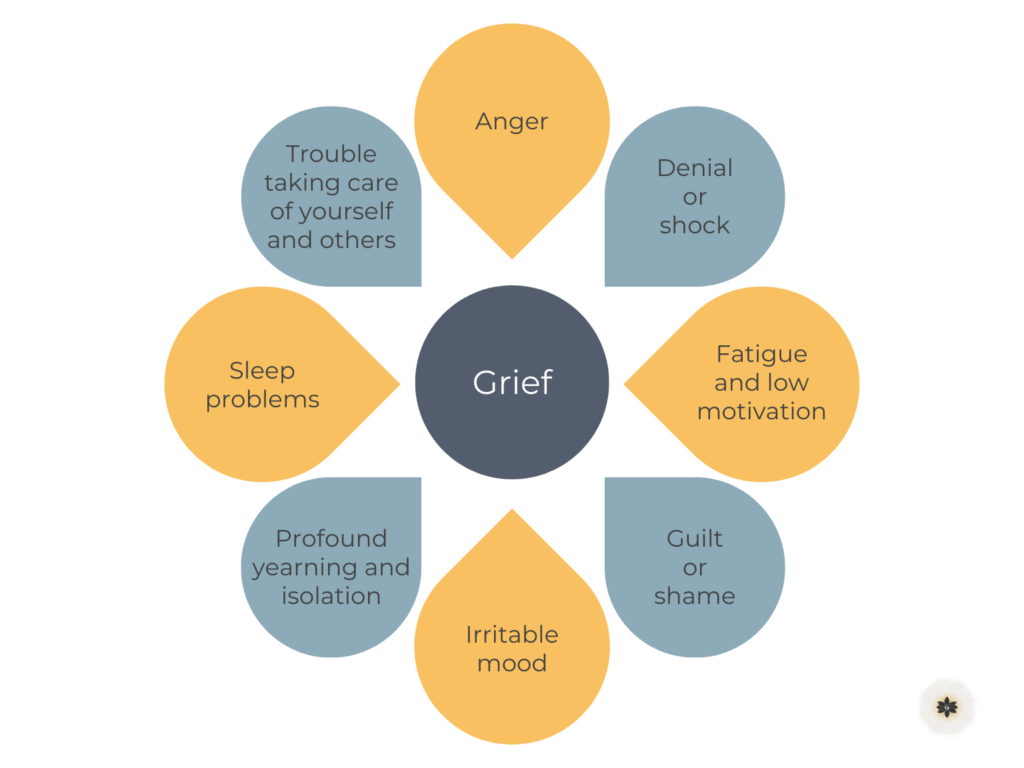
A breakup is a loss, and the mind treats it as one. In the first weeks it is normal to cry often, sleep badly, lose your appetite, think about your ex for much of the day and feel a strong pull to contact them. Brain-imaging research has found that intense social rejection activates some of the same regions as physical pain, which is why heartbreak can feel physical.
These reactions usually come in waves and slowly become less frequent. There will be bad days in the middle of better weeks. That uneven pattern is typical of grief and does not mean you are going backwards.
8 Signs Therapy Would Help
- It is not easing. Several weeks on, the pain is as strong as in the first few days.
- Work or studies are suffering. You cannot concentrate, you are missing deadlines or calling in sick.
- Sleep and eating are off. You are sleeping very little or far too much, or your appetite has not returned.
- You are checking constantly. Their profile, last seen and stories have become a daily habit that leaves you feeling worse.
- You keep breaking your own rules. You decide not to text or call, and do it anyway.
- You blame yourself harshly. The breakup has become proof that you are unlovable or not good enough.
- You are withdrawing. You avoid friends and family, or you are drinking or scrolling more to get through evenings.
- This has happened before. You notice the same pattern across relationships and want to understand it.
You do not need all eight. Two or three that have lasted more than a few weeks are reason enough to talk to someone.
What Therapy After a Breakup Involves
Breakup counselling is individual therapy. You come on your own, and the focus is your recovery. A psychologist will usually help you with four things:
- Making sense of it: telling the full story of the relationship and its ending to someone with no stake in it.
- Managing the hardest moments: practical tools for the urge to contact, the late-night spiral and the days when everything is a reminder. See overthinking therapy.
- Repairing how you see yourself: separating your worth from one person’s decision.
- Understanding your patterns: how you attach to partners and what you want to do differently. Read about anxious attachment.
It is often short-term. It does not try to get your ex back, and it does not tell you that you should be over it.
Does It Count If the Relationship Was Short?
Yes. How much a breakup hurts depends on what the relationship meant to you and what you hoped it would become, more than on how long it lasted or what it was called. People are often hit hard by the end of a relationship that was never formally defined, partly because friends and family do not recognise it as a real loss.
The same is true of a broken engagement, where you may be grieving while also handling relatives’ questions and the practical fallout.
Should You Wait and See?
If you are a week or two in and managing your days, waiting is reasonable. Lean on friends, keep your routine and give it time.
Reach out sooner if you recognise several of the signs above, if you have a history of depression or anxiety, or if the breakup involved betrayal, control or abuse. You do not have to earn therapy by suffering for a set period first.
If you are having thoughts of harming yourself, do not wait. Call iCall on 9152987821 or the emergency number 112.
Support at Coach For Mind
Psychologists at Coach For Mind offer breakup counselling online across India and in person in Gurgaon. Many of the people we see after a breakup are in their 20s and 30s; see therapy for young adults.
If you would like to talk it through, message us on WhatsApp for a short discovery call.
Conclusion
Most heartbreak heals with time and people who care about you. Therapy is for when time is not doing its work: the pain is not easing, your days are disrupted, or you keep ending up in the same place. Asking for help at that point is a practical decision.
References
Kross, E., Berman, M. G., Mischel, W., Smith, E. E., & Wager, T. D. (2011). Social rejection shares somatosensory representations with physical pain. Proceedings of the National Academy of Sciences, 108(15), 6270–6275.
Sbarra, D. A., & Emery, R. E. (2005). The emotional sequelae of nonmarital relationship dissolution: Analysis of change and intraindividual variability over time. Personal Relationships, 12(2), 213–232.
For informational purposes only. Not clinical advice. iCall (India): 9152987821.
Frequently Asked Questions
Yes. A breakup is a significant loss, and many people seek therapy after one. It is especially helpful when the pain is not easing after several weeks or is disrupting work, sleep or other relationships.
Signs include pain that is not easing, trouble at work, disrupted sleep or appetite, constant checking of your ex's social media, harsh self-blame, withdrawing from friends, and noticing the same pattern across relationships.
There is no required waiting period. If you are coping in the first week or two, waiting is reasonable. Start sooner if you are struggling to function, have a history of depression or anxiety, or the relationship involved betrayal or abuse.
Yes. The impact of a breakup depends on what the relationship meant to you, not only on how long it lasted. Therapy is appropriate whenever the ending is affecting your mood, sleep, work or confidence.
A psychologist or counsellor who offers individual therapy and has experience with relationship loss is a good fit. Approaches commonly used include cognitive behavioural therapy, grief-informed counselling and attachment-focused work.
Useful Resources
- iCall: telephone and email counselling run by the Tata Institute of Social Sciences
- Tele-MANAS: the Government of India tele-mental-health helpline (14416)