
Is Your Relationship Struggling? The Unvarnished Truth About Couples Therapy
For many, the very idea of couples therapy feels like a last resort, a desperate, final attempt to salvage a relationship teetering on the brink. You might imagine hushed, tense sessions or fear being blamed. Perhaps you're feeling stuck, overwhelmed, or uncertain, wondering if this is truly the path for you.

The truth is, couples therapy is far more nuanced than a crisis intervention. While it absolutely can be a lifeline in times of deep distress, it's also a powerful tool for proactive growth, deepening connection, and transforming those subtle, often unspoken patterns that erode intimacy over time. It's an investment in your relationship's future, a commitment to a stronger "us." But let's be honest: it's rarely easy.
If you're grappling with communication breakdowns, trust issues, or the silent accumulation of resentments, you are not alone. Many couples walk this path. The journey through therapy can be emotionally taxing, financially demanding, and sometimes frustrating , especially if one partner seems less committed. Yet, for those willing to do the work, the rewards are profound: renewed connection, enhanced understanding, and the practical skills to navigate life's inevitable challenges as a stronger, more resilient team.
This guide will demystify couples therapy, offering an honest roadmap from understanding its purpose to sustaining its benefits. We’ll delve into the emotional realities, address common fears, explore different approaches, and provide actionable insights to help you decide if it's the right path for your relationship, and how to make the absolute most of it.
What Is Couples Therapy?
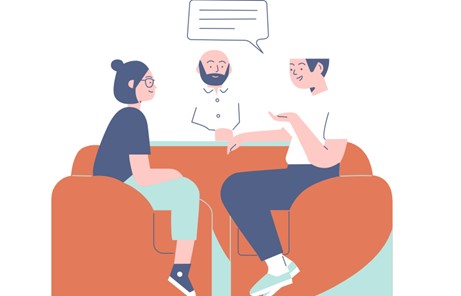
At its core, couples therapy (often used interchangeably with couples counseling) is a specialized form of psychotherapy designed to help partners resolve conflicts, improve communication, and strengthen their bond. It provides a safe, neutral space, facilitated by a trained therapist, where both individuals can explore their relationship dynamics, understand underlying issues, and develop healthier ways of interacting.
The goal is not to assign blame or "fix" one partner. Instead, it's a collaborative effort to understand the dynamic between you, identifying patterns that contribute to distress and learning new, more constructive ones. As one community member on reddit shared, a good therapist helps you "recognize our own limitations, and at redirecting our focus on our teamwork."
Key Issues Couples Therapy Can Address:
- Communication Problems: The most frequently cited reason couples seek therapy. This includes learning active listening, expressing needs effectively, and navigating disagreements constructively.
- Trust Issues & Infidelity: Rebuilding trust after betrayal, understanding its impact, and developing pathways for either forgiveness and renewed commitment or conscious uncoupling.
- Intimacy Concerns: Addressing challenges in emotional, physical, or sexual intimacy.
- Conflict Resolution: Moving beyond destructive arguments to productive problem-solving.
- Life Transitions: Navigating major changes like parenthood, career shifts, empty nest, or retirement.
- External Stressors: Managing the impact of finances, in-laws, blended family dynamics, or chronic illness.
- Pre-Marital Counseling: Proactively building a strong foundation before marriage.
- Individual Mental Health Impact: Understanding how conditions like ADHD, anxiety, depression, or trauma affect the relationship.

Signs Your Relationship Could Benefit from Couples Therapy
You don't need to be on the brink of divorce to seek couples therapy. Research has shown that early intervention often leads to higher success rates. Consider therapy if you notice any of these persistent patterns:
- Communication Breakdown: You feel unheard, misunderstood, or like you're constantly having the same arguments without resolution. You might be stonewalling, yelling, or avoiding difficult conversations altogether.
- Growing Distance or Disconnection: You feel like roommates rather than partners, with a noticeable lack of emotional or physical intimacy.
- Persistent Conflict: Arguments are frequent, intense, and rarely lead to a positive outcome. You might be stuck in a draining cycle of blame and defensiveness.
- Trust Has Been Broken: Infidelity, dishonesty, or broken promises have eroded the foundation of your relationship.
- One or Both Partners Are Unhappy: A pervasive sense of dissatisfaction, resentment, or sadness about the relationship.
- Major Life Transitions: Significant changes (e.g., new baby, job loss, relocation, illness) are causing noticeable strain.
- Considering Separation or Divorce: You're exploring the possibility of ending the relationship, but want to ensure you've exhausted all options, or want to navigate a healthy separation.
- You want to Proactively Strengthen Your Bond: Even in healthy relationships, therapy can provide invaluable tools for deeper connection and resilience, preventing future issues.
The Unseen Emotional Journey: What Couples Therapy Feels Like
While couples therapy promises positive change, it's crucial to understand that the process itself can be emotionally challenging. It's not a magic fix, but a journey that demands vulnerability, self-reflection, and often, discomfort. As one Reddit user put it bluntly, "It was very tough, especially for my wife", highlighting the common experience of one partner finding it harder to engage.
Navigating Discomfort and Vulnerability
Therapy requires you to open up about your deepest fears, insecurities, and resentments in front of your partner and a neutral third party. This can be incredibly vulnerable. You might feel exposed, defensive, or even angry as long-held patterns are brought to light.
- Confronting Your Role: A common pain point is the realization that relationship problems often stem from the interaction of both partners' issues. Therapy isn't about "fixing the other one," but understanding your dynamic and your contribution to it. This can be a hard pill to swallow, especially if one partner expects the therapist to validate their perspective and blame the other.
- Emotional Intensity: Sessions can be emotionally charged. You might experience sadness, anger, frustration, or even grief as you process past hurts and confront difficult realities. The therapist's role is to "hold space" for these emotions, ensuring they are expressed constructively.
- Accountability: A good therapist will gently, but firmly, hold both partners accountable for their actions and contributions to the relationship's challenges. This can be particularly difficult for individuals who struggle with self-criticism or defensiveness.
When It Feels Worse Before It Gets Better
It's a common phenomenon in therapy that things can feel more difficult before they improve. As long-buried issues surface and old patterns are disrupted, you might experience increased tension or conflict outside of sessions. It can feel disheartening, but on the contrary, this is often a sign that real work is happening.
- Disrupting Old Patterns: Your therapist will help you identify your attachment styles, maladaptive communication styles, and behavioral patterns. Changing these deeply ingrained habits takes conscious effort and can feel awkward or unnatural at first.
- Unearthing Resentments: Therapy often uncovers unspoken resentments or hurts that have accumulated over time. While painful to address, bringing these into the open is essential for healing.
- The "Work" Outside Sessions: Therapy isn't just the 50-minute session; it's the "homework" and the conscious effort you put in between sessions to practice new skills and shift old behaviors. This consistent effort is where true change happens.

The Mutual Commitment Mandate: Is Your Relationship Ready for Couples Therapy?
One of the most critical factors determining the success of couples therapy is the mutual commitment and willingness of both partners to engage in the process. As a user on reddit said,
"Couples therapy can be effective if... Even more needed is a commitment from BOTH MEMBERS OF THE COUPLE to be 100% committed to wanting to make it work."
Without this shared investment, therapy can not only feel like a "waste of money" but also fuel the resentment towards the partner who didn’t invest their efforts into therapy, causing a deeper rupture in the relationship.
Assessing Readiness: A Self-Reflection Guide
Before embarking on therapy, it’s helpful for both partners to honestly assess their readiness. Ask yourselves:
- Are we both willing to look at ourselves critically? Therapy isn't about fixing the other person; it's about understanding your dynamic and your individual contributions to it.
- Are we both open to change? This includes changing communication patterns, behaviors, and perspectives.
- Are we willing to take accountability and responsibility for our part in the relationship problems?
- Are we committed to the process, even when it's uncomfortable? Therapy can be challenging, and consistency is key.
- Do we both genuinely want to improve the relationship? This shared goal is the foundation of effective therapy.
- Are we prepared for the time and financial investment? Therapy requires consistent attendance and financial resources.

Addressing Partner Reluctance: Strategies for Engagement
It's common for one partner to be more enthusiastic about therapy than the other. If your partner is reluctant, consider these strategies:
- Communicate Your Needs: Express clearly and calmly why you believe therapy could help, focusing on your feelings and the positive potential outcomes for both of you, rather than blaming.
- Suggest a "Trial" Period: Propose attending just a few sessions to see how it feels. This can lower the barrier to entry.
- Address Their Fears: Acknowledge their concerns (e.g., fear of blame, cost, vulnerability). Reassure them that the therapist is a neutral mediator.
- Focus on the Relationship, Not Just the "Problem": Frame therapy as an investment in a stronger, more connected future, not just a response to a crisis.
- Explore Discernment Counseling: If one partner is leaning out of the relationship, Discernment Counseling is a short-term approach designed to help couples decide whether to reconcile, separate, or commit to therapy.
- Consider Individual Therapy First: Sometimes, individual therapy can help a reluctant partner address their own issues that contribute to their resistance, or empower the more willing partner to navigate the situation.
Different Approaches to Couples Therapy: Finding Your Best Fit
The field of couples therapy offers several evidence-based approaches, each with its unique focus and techniques. Understanding these can help you find a therapist whose methodology aligns with your needs.
Emotionally Focused Therapy (EFT)
- Focus: EFT is highly effective and focuses on understanding and transforming the emotional bonds and attachment styles within a relationship. It helps couples identify negative interaction cycles (e.g., "pursuer-withdrawer") and express deeper, often unacknowledged emotions and needs.
- How it Works: The therapist guides partners to access and articulate their underlying emotions, fostering empathy and creating new, more secure way of connecting emotionally.
- Why it's Popular: Many users report EFT being a "night and day difference" and "hugely helpful" for understanding each other's emotional worlds.
The Gottman Method
- Focus: Developed by Drs. John and Julie Gottman, this method is based on extensive research into what makes relationships succeed or fail. It focuses on disarming "the Four Horsemen of the Apocalypse" (criticism, contempt, defensiveness, stonewalling) and building "The Sound Relationship House" through friendship, intimacy, and shared meaning.
- How it Works: Therapists teach practical skills for conflict management, communication, and deepening affection. It often involves structured exercises and "homework."
- Why it's Popular: Its research-backed, practical approach resonates with couples seeking concrete tools.
Internal Family System Therapy
- Focus: IFS tells us that our partner's response such as shutting down, getting defensive, or trying to control are ways to protect the deeper feelings like hurt, shame, fear, or not feeling good enough. These responses are controlled by their internal parts.
- How it Works: IFS helps couples to pause, name and take responsibility for their triggered parts, which can help de-escalate tension and return to each other from a place of compassion and self-leadership. It also helps partners develop empathy and understand each other better.
Psychodynamic/Relational Therapy
- Focus: This approach explores how early childhood experiences, attachment wounds, and unconscious patterns shape how partners relate to each other. Reactions like withdrawal, criticism, or emotional intensity are often rooted in unmet developmental needs or past relational injuries.
- How it Works: By slowing down the interaction and exploring underlying emotions, fantasies, and transference dynamics, partners begin to see how their internal worlds interact. Therapy helps them recognize projections, repetitive patterns, and enactments, shifting from blame to insight. As awareness grows, so does the capacity for emotional intimacy, accountability, and growth.
Cognitive Behavioral Therapy (CBT) for Couples
Focus: CBT focuses on how negative thoughts, assumptions, and interpretations fuel conflict and emotional disconnection between partners. It identifies rigid beliefs like “they don’t care about me” or “I always mess things up,” which drive reactive behavior.
How it Works: Couples learn to recognize and challenge distorted thinking, regulate emotional responses, and replace automatic reactions with healthier behaviors. Through structured exercises and communication training, they build problem-solving skills, reduce reactivity, and strengthen emotional connection through clarity and collaboration.
Imago Relationship Therapy
- Focus: Imago posits that we unconsciously choose partners who reflect our primary caregivers, and that conflict arises from unresolved childhood wounds. The goal is to help couples understand each other's "Imago" (unconscious image of an ideal partner) and heal past hurts through dialogue.
- How it Works: Utilizes a structured "Imago Dialogue" process where partners mirror, validate, and empathize with each other's experiences.
Relational Life Therapy (RLT)
- Focus: Developed by Terry Real, RLT emphasizes individual accountability, healthy self-esteem, and the development of "relational skills" like speaking truth, setting boundaries, and moving from complaint to request. It's often more direct and challenging than other modalities.
- How it Works: The therapist takes an active, directive role, challenging dysfunctional patterns and teaching partners how to be more assertive and accountable.
Beyond Talk: Actionable Tools & Homework from Couples Therapy
One of the most significant benefits of couples therapy is that it's not just about talking; it's about learning and implementing practical skills that transform your daily interactions. As users frequently seek "concrete tools and strategies" that they can actually implement, this is where the real value lies.
Mastering Communication: Core Skills You'll Learn
- Active Listening: Beyond just hearing words, active listening involves truly understanding your partner's perspective, feelings, and needs. This often means reflecting back what you hear and asking clarifying questions.
- "I" Statements: Learning to express your feelings and needs without blame. Instead of "You always make me feel...", it's "I feel [emotion] when [situation] because [need/thought]."
- Non-Violent Communication (NVC): A framework focusing on observing without judgment, identifying feelings, connecting to needs, and making clear requests.
- Expressing Appreciation: Regularly acknowledging and appreciating your partner's positive qualities and efforts.
- Repair Attempts: Learning how to de-escalate conflict and reconnect after a disagreement, even if it's just a simple apology or gesture of affection.
Conflict Resolution: Turning Fights into Opportunities
Therapy teaches you that conflict is inevitable, but destructive conflict is not. You'll learn:
- Identifying Negative Cycles: Recognizing the repetitive, unhelpful patterns you fall into during arguments (e.g., one person withdraws, the other pursues).
- Taking Breaks: Learning to pause heated discussions before they escalate, agreeing to revisit the topic once calm.
- Softening Start-Ups: Approaching difficult conversations gently, rather than with accusations or demands.
- Middle Ground and Negotiation: Developing skills to find common ground and solutions that work for both partners.
The Power of "Homework": Applying Lessons to Life
Therapists often assign "homework" , exercises or practices to implement between sessions. This is where the real transformation happens. Examples include:
- Daily Check-ins: Dedicated time to discuss your day, feelings, and needs.
- Communication Exercises: Practicing active listening or "I" statements in specific conversations.
- Affectionate Gestures: Intentional acts of kindness, compliments, or physical touch.
- Date Nights: Prioritizing quality time together.
- Self-Care Practices: Ensuring individual well-being to better show up in the relationship.
Individual Roots, Relational Impact: When Individual Therapy is Key
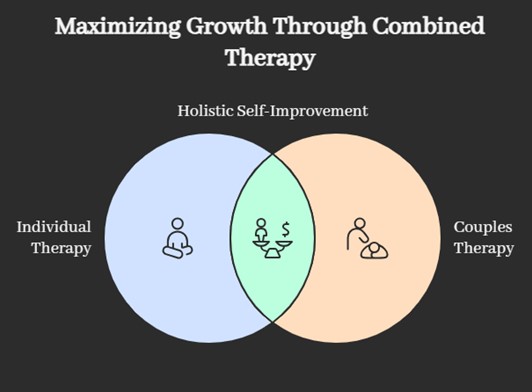
A significant recurring theme in the couples therapy landscape is the interplay between individual mental health and relationship dynamics. Many users report that "relationship problems turned out to be more of a result of our particular sets of individual problems interacting." While couples therapy focuses on the relationship itself, individual therapy can be a crucial prerequisite or parallel path for lasting change.
Understanding the Interplay of Individual and Relational Health
Individual issues like unaddressed trauma, anxiety, depression, ADHD, or personality disorders (e.g., BPD) can profoundly impact relational dynamics. For instance:
- ADHD: Can lead to challenges with organization, follow-through, emotional regulation (e.g., Rejection Sensitive Dysphoria - RSD), and communication, which can be misconstrued as lack of care or commitment by a partner.
- Trauma: Unresolved trauma can manifest as difficulty with trust, intimacy, emotional regulation, or hypervigilance in relationships.
- Anxiety/Depression: Can lead to withdrawal, irritability, or difficulty engaging fully in the relationship.
When these individual challenges are not addressed, couples therapy can falter, with partners feeling invalidated or burdened. As one user shared, "Couples therapy for my partner and I left me leaving every session feeling like I was doing something wrong and needed to keep fixing myself." Sometimes, "after we quit couples therapy, we both doubled down with our individual therapists, and we made more progress that way."
When to Seek Individual Therapy Alongside Couples Therapy
- Unaddressed Mental Health Conditions: If one or both partners have significant individual mental health challenges that are impacting the relationship, individual therapy is often recommended concurrently or prior to couples therapy.
- Personal Growth Goals: If you want to work on personal issues that extend beyond the relationship, such as self-esteem, past trauma, or career stress.
- Differing Levels of Commitment: If one partner is reluctant to engage in couples therapy, individual therapy can empower the more willing partner to navigate the situation and gain clarity.
- "Fixing Myself" vs. "Fixing the Relationship": Sometimes, partners realize that their own patterns (e.g., defensiveness, emotional regulation) are hindering progress in couples therapy.
- Post-Therapy Integration: Individual therapy can help solidify personal insights gained in couples therapy and continue the journey of self-improvement.
Supporting a Partner with Individual Challenges
If your partner is dealing with individual mental health challenges, couples therapy can help you understand and support them without enabling or sacrificing your own well-being. A therapist specializing in neurodivergence or trauma-informed care can be invaluable. They can help you:
- Learn about their condition: Understand how ADHD, trauma, etc., specifically impacts their behavior and your relationship.
- Develop coping strategies: For both you and your partner.
- Set healthy boundaries: Protecting your own emotional health while being supportive.
- Avoid blame: Shifting from "you're doing this to me" to "we're navigating this together."
Decoding Therapist Credentials: Finding the Right Couples Therapist
The effectiveness of couples therapy hinges significantly on finding a "good fit" therapist. With so many titles and approaches, knowing what to look for is crucial to ensure you invest your time and money wisely.
However, in India, couple’s counselling is not strictly regulated, which can make things confusing. Unlike medical doctors or psychiatrists, there is no single license or authority that governs all mental health professionals. That means a wide range of people might offer couple’s therapy, but not all of them are truly trained to do it well.
What to Look For: Credentials, Specializations, and Fit
Here are the types of professionals who commonly offer couple’s counselling:
- Clinical psychologists with an MPhil or PsyD: who are registered with the Rehabilitation Council of India (RCI). They have deep training in psychotherapy and often work with couples.
- Counselling psychologists or therapists: with a Master’s degree in Psychology or Counselling, sometimes with specific certifications in couple or family therapy.
- Psychiatrists: who are medical doctors (MBBS + MD Psychiatry), may offer couple’s counselling as part of a broader mental health treatment plan, though many focus more on medication and diagnosis.
- Specialization: Look for therapists who explicitly state their expertise in couples therapy and the specific issues you're facing (e.g., infidelity, neurodivergence, trauma, LGBTQ+ relationships, polyamory, blended families).
- Therapeutic Modality: As discussed, look for therapists trained in evidence-based approaches like EFT, Gottman Method, Imago, or RLT.
While coaches or “relationship experts” may advertise couple’s counseling, many of them are not trained in trauma, attachment, or mental health, which can leave you feeling more judged than supported.
At Coach For Mind, we have EFT, Gottman Method and clinical Psychologist trained to do couple’s counseling. our team includes the best marriage counsellor in Gurgaon, ready to support you. We make sure to touch upon trauma, abandonment, abuse, neglect. At CFM, therapists will help both partners understand how past experiences show up in the present without turning it into a blame game.
If your current therapist is making you feel blamed or ashamed, it’s not the right fit.
Always ask about the therapist’s background, training, and experience with couples
Questions to Ask Your Potential Therapist
Before committing, schedule a discovery call with us to understand
- Therapist experience working with couples?
- Their therapeutic approaches do you primarily use (e.g., EFT, Gottman)?
- How do they ensure impartiality and address power imbalances in sessions?
Anything which you feel is important to ask before starting. Confidence in a therapist for the initial few sessions are very important.
What If Therapy Isn't Working? When to Change Therapists or Approaches
It's a painful reality that not all therapy experiences are positive. As one community member lamented, "Not helpful at all. The therapist enabled him and fell for his charming, positive, optimistic mask. She saw me as an angry, bitter, controlling villain." If you feel stuck, unheard, or that the therapist is enabling one partner, it's okay to consider a change.
- Communicate Your Concerns: If you’re feeling unsure about how therapy is going, the most helpful first step is to bring that directly to the therapist. A good therapist will always welcome that kind of conversation, it’s part of the work.
At Coach For Mind, we regularly invite feedback and check in on what’s working, what’s feeling stuck, and whether your goals have shifted. Therapy is not a fixed contract, it’s a living, evolving process. Think of it like a visit to your doctor. You’d say, ‘This medication helped, but this symptom hasn’t changed,’ right? The same applies in therapy. You’re allowed and encouraged to speak openly about what feels effective and what doesn’t. We see feedback not as criticism, but as collaboration
- Recognize Red Flags:
- Feeling consistently blamed or invalidated.
- The therapist taking sides or not challenging both partners.
- Lack of clear direction or tangible tools.
- No progress after a reasonable period (e.g., 3-6 months).
- Over-Pathologizing One Partner: Using diagnoses or clinical labels (“you’re a narcissist,” “you’re codependent”) to explain relational pain can shut down vulnerability and increase shame.
- Using Therapy to Enforce Moral Judgments: A therapist who becomes a moral referee (e.g., “you should forgive,” “you’re being selfish”) risks reenacting parental dynamics instead of facilitating adult insight and choice.
- Seek a New Therapist: Don't hesitate to find a new therapist if the fit isn't right. It's an investment, and you deserve a competent guide. Sometimes, a different modality or personality makes all the difference.
At Coach For Mind, we understand that finding the right therapist is deeply personal. If you ever feel that your current therapist isn’t the right fit, you can choose to switch, no questions, no starting over.
We’ll thoughtfully share your case summary and notes with your new therapist, so you can continue from exactly where you left off, without repeating painful stories again.
The ROI of Relationship Health: Understanding the Cost of Couples Therapy
The financial investment in couples therapy is a significant concern for many, often leading to resentment, especially if one partner perceives a lack of effort from the other. As one user shared, "I'm struggling with the cost, it's over 10,000 Rs. a month, and it's making me resentful." However, viewing it as an investment in your relationship's long-term health can shift perspective.
Realistic Cost Ranges and What Influences Them
The cost of couples therapy varies widely based on location, therapist's experience, and session length.
- Per Session: At Coach For Mind, it typically ranges from Rs. 3000 to 4500+ per 1 hour session.
- Factors Influencing Cost:
- Location: Urban areas generally have higher rates.
- Therapist's Credentials & Experience: Highly specialized or experienced therapists may charge more.
- Session Length: Longer sessions (e.g., 90 minutes) will cost more.
- Modality: Some specialized workshops or intensives (e.g., Gottman workshops) have different pricing structures.
The Long-Term Value: Investing in Your Relationship's Future
While the upfront cost can feel daunting, consider the long-term "cost" of unresolved conflict: chronic stress, emotional pain, potential separation or divorce, and the impact on children. Many couples find that the investment in therapy "saved the relationship" and was "money well spent."
A healthy relationship contributes to overall well-being, happiness, and even physical health. Investing in couples therapy is an investment in these vital aspects of your life, potentially preventing far greater emotional and financial costs down the line.
What Happens If Therapy Doesn't "Work"? When Separation is a Healthy Outcome
It's a common fear: "What if couples therapy doesn't work?" While many stories highlight therapy's success in repairing relationships, it's also important to acknowledge that sometimes, the healthiest outcome is a conscious, amicable separation or divorce. Therapy can support this process, too.
Therapy as a Path to Healthy Separation
If, after genuine effort, it becomes clear that the relationship cannot be repaired or is no longer serving the well-being of one or both partners, therapy can shift its focus. This is not a failure of therapy, but a redefinition of its purpose.
- Clarity and Discernment: Therapy can help couples gain clarity on whether to stay together or separate, especially if one partner is "leaning out."
- Amicable Dissolution: If separation is the path, therapy can provide a structured, mediated environment to navigate the complexities of divorce, co-parenting, and disentangling lives with respect and minimal acrimony. This is often called "divorce mediation" or "conscious uncoupling."
- Processing Grief and Loss: Even if separation is the right choice, it involves significant grief. Therapy can help both partners process these emotions individually and collectively.
Supporting Each Other Through Transition
Even during separation, couples therapy (or individual therapy alongside it) can help partners:
- Maintain Respectful Communication: Especially crucial for co-parenting.
- Minimize Conflict: Reducing the emotional toll on everyone involved, particularly children.
- Process Shared History: Acknowledging the positive aspects of the relationship and finding closure.
- Transition to New Roles: Helping each individual adapt to their new identity and life post-separation.
Maintaining Progress: Life After Couples Therapy
Completing couples therapy is a significant achievement, but it's not the end of the journey. The skills and insights gained need to be actively maintained and integrated into daily life to ensure lasting change.
Sustaining New Habits and Skills
- Continue Practicing: The communication and conflict resolution skills learned in therapy are like muscles , they need regular exercise. Continue using "I" statements, active listening, and repair attempts.
- Regular Check-ins: Schedule dedicated time to talk about your relationship, feelings, and needs, even when things are going well. This can be a weekly "relationship meeting" or a daily brief check-in.
- Prioritize Connection: Continue to nurture your emotional and physical intimacy. Plan regular date nights, express appreciation, and engage in shared activities.
- Self-Awareness: Continue to reflect on your own patterns and triggers. How are your individual needs being met? How are you showing up in the relationship?
- Address New Challenges Proactively: Life will always present new stressors. Apply the problem-solving frameworks learned in therapy to navigate these challenges together, rather than letting them fester.
When to Consider a "Tune-Up" Session
Just like a car needs regular maintenance, relationships can benefit from periodic "tune-ups." Consider returning to therapy for a few sessions if:
- Old Patterns Resurface: You notice yourselves slipping back into old, unhelpful communication or conflict patterns.
- Major Life Changes: A new baby, job loss, relocation, or health crisis can put strain on even strong relationships.
- Feeling Stuck Again: You're experiencing a sense of disconnection or unresolved tension.
- Proactive Growth: You simply want to deepen your connection, learn new skills, or explore new dimensions of your relationship.
Common Myths About Couples Therapy, Debunked
Despite its growing acceptance, couples therapy is still surrounded by misconceptions. Let's debunk some common myths:
- Myth 1: Couples therapy is only for relationships on the brink of divorce.
- Reality: While therapy can be a last resort, it's highly effective for proactive growth, strengthening communication, and addressing minor issues before they escalate. However, research has demonstrated that couples therapy is most effective when initiated early, not just as a last resort. These relational interventions didn't just improve an individual's mental health but also supported long-term marital stability when applied early or preventatively.
- Myth 2: The therapist will tell us who's right and who's wrong.
- Reality: A good trauma informed therapist is a neutral mediator, not a judge. Their role is to help both partners understand their dynamic, take accountability, and find healthier ways to interact. They will always prioritize healing not blaming.
- Myth 3: Therapy is a quick fix.
- Reality: Therapy is like Ayurvedic treatment. It doesn’t just suppress symptoms, it looks at the root imbalance in the system. Sometimes, it even makes you feel worse before you feel better, because it stirs up what’s been buried.
Likely, therapy takes time, understanding the root cause with consistency, this is not a quick pill, but a rebalancing of the entire system.”Therapy is a process that requires consistent effort, vulnerability, and patience. It takes time to unlearn old habits and build new ones.
- Myth 4: My partner will be "fixed" by the therapist.
- Reality: Let’s say your dish doesn’t taste right, and you keep adding salt, hoping it’ll fix everything. Does it always work? Not necessarily. Sometimes, it’s not the salt that’s missing, it could be the garam masala, the tadka, or simply the overall balance of flavors.
Relationships are quite similar. When something feels off, it’s rarely just one person who needs to be “fixed.” Therapy helps uncover what’s really happening in the mix, whether it’s unresolved baggage, emotional reactions, timing, or communication patterns.
Therapy supports both partners in adjusting together, rather than expecting one person to change while the other stays on the sidelines. Therapy isn't about fixing one person; it's about changing the dynamic between two people. Both partners must be willing to engage and do the work.
- Myth 5: It's a waste of money if it doesn't "save" the relationship.
- Reality: Even if a relationship ends, therapy can facilitate a healthier separation, provide individual growth, and equip both partners with valuable skills for future relationships.
- Myth 6: We can just talk it out ourselves.
- Reality: While talking is important, a trained therapist provides a structured framework, identifies blind spots, and teaches specific tools that couples often can't discover on their own. They can help break cycles that self-talk often reinforces.
Conclusion: Your Journey to a Stronger Connection
Embarking on couples therapy is a courageous step towards a healthier, more fulfilling relationship. It's a journey that demands vulnerability, commitment, and often, navigating uncomfortable truths. Yet, for those who lean into the process, the transformation can be profound.
From deciphering complex communication patterns to understanding the interplay of individual challenges, therapy offers a unique space for growth. It’s not about finding a magic solution, but about acquiring the tools, insights, and mutual commitment to build a relationship that is resilient, deeply connected, and capable of weathering life's storms.
Whether you're seeking to mend deep wounds or simply to deepen an already strong bond, investing in couples therapy in India is an investment in your shared future, promising not just resolution, but a richer, more authentic connection.
Ready to take the first step towards a more resilient and connected relationship?
Consider these next steps:
- Talk to your partner: Share this guide and discuss your feelings about seeking support.
- Plan a Discovery Call: You can plan a free discovery call with Coach For Mind to understand what therapy modality and approach would be best suited for you both.
Explore resources: If you're not ready for therapy, consider reputable workbooks or online courses to start building communication skills together.
Why CoachForMind?
Experienced Psychologists: We are a team of licensed RCI-registered clinical psychologists. Our team is well-experienced in various forms of therapy such as CBT, DBT, EMDR, and Narrative Therapy.
Personalized Approach: We are dedicated to treating our clients in the best-suited way, carefully curated as per the client's needs, and adhering to one-on-one, client-centered therapy.
Scientific Techniques: Our treatment plans and therapeutic methods are based on highly researched scientific findings such as CBT, DBT, EMDR and Narrative Therapy.
Quality service: We at CoachForMind ensure quality services in our treatment regime and therapeutic approaches. Our clients hold the most value to us, so we ground our techniques in empathy while maintaining professionalism.
If you are based in Gurgaon, our marriage counselors in Gurgaon offer in-person couples therapy at Sector 70 — EFT and Gottman-trained, soundproof rooms, weekend slots available.
Begin with a free 15-minute discovery call For more information, please visit our website or contact us directly at [email protected]
Written by the therapists at Coach For Mind
FAQs
That's a very important question, and before we answer, we'd invite you to pause and gently reflect:
Where might that question be coming from within you?
Is it driven by hope that change is possible? By shame, perhaps, that things feel so difficult?
Need to know you're not alone in struggling?
What is it, specifically, that you want therapy to work on for you?
At Coach For Mind, many clients come in unsure, guarded, or on the edge of the relationship. What they often discover is that therapy doesn't necessarily 'fix' everything, but it offers something deeper: the ability to speak and listen differently, to hear each other without attack or defense.
It helps couples understand their attachment patterns, emotional triggers, and how their past is playing out in the present. This alone can shift the ground under a stuck relationship.
One couple told us, 'We stopped yelling and started listening. That was the first shift. We still have hard days, but it's not me against you anymore. It's us trying to understand what hurts, and why.'
So perhaps the question isn't just whether therapy 'works', but whether you're willing to look inward, speak honestly, and stay in the discomfort long enough for something to change.
Yes, it matters. In India, the title alone doesn't always reflect proper training. At Coach For Mind, all our therapists have a Master's or MPhil in Psychology, with specific trauma and relationship therapy training.
Look for someone who:
- Has a degree in Clinical or Counselling Psychology
- Is trained in couples work (EFT, Gottman Method, or similar)
- Understands trauma, attachment, and emotional safety
- Doesn't just "mediate fights" but helps explore deeper patterns
Most couples who come to Coach For Mind start to notice small shifts within 4 to 6 sessions. That might look like fewer fights, or being able to sit through a tough conversation without freezing or yelling. Some feel change sooner; for others, it takes time.
We usually recommend weekly sessions at first, to build trust and momentum. Later, this can shift to biweekly or monthly check-ins, depending on your goals.
Wanting to 'figure it out' doesn't mean you're giving up. It may mean you're ready to look closely, to make meaning, to understand what went wrong or right and how it is shaping the relationship.
Sometimes, people come into couples therapy not because they want to glue things back together, but because they want clarity on what happened between us. What parts of me did this relationship bring out? What patterns kept repeating? What can be done about it? How can we make the relationship fruitful?
Therapy can offer a space to hold that exploration gently, without pushing toward a pre-decided outcome. It's not always about fixing the relationship. Sometimes it's about understanding it deeply enough that you can move forward together or part ways with more truth and less regret.
At Coach For Mind, we offer a space where both partners can reflect deeply on what they want—whether to stay, grow, shift, or separate with support, without blame, and with attention to the grief and dignity that such choices deserve.
It's not uncommon for one partner to feel ready while the other feels hesitant or resistant. Often, this does not reflect a lack of care, but rather indicates different emotional readiness, a fear of conflict, or a history of not feeling safe in vulnerability.
We can begin by working with you individually to understand how this dynamic impacts you, your emotional patterns, your needs, and even your needs to the relational dynamics.
Sometimes, when one partner begins therapy and shifts their relational posture, the other begins to respond differently. Therapy isn't about dragging someone in, it's about creating a new emotional space that the other partner might eventually feel invited into.
You don't need both people in the room to begin meaningful relational work. You need one person willing to look inward with honesty and courage. At Coach For Mind, we frequently meet couples where one partner is more ready than the other. Our therapists will never force or shame anyone into speaking. Instead, we create enough safety that even hesitant partners begin to engage, and that's where we start.


