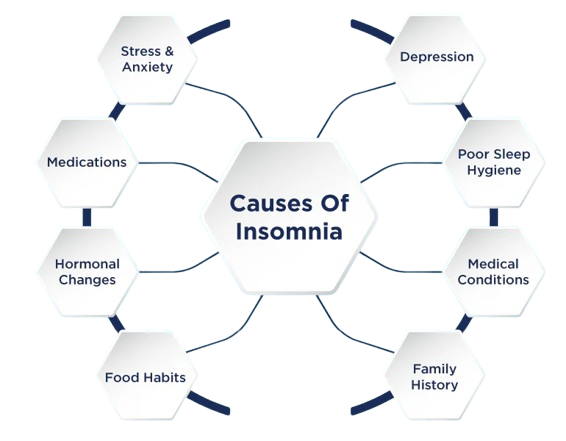
Therapy for insomnia focuses on understanding what keeps your nervous system awake rather than just trying to force sleep. Together, we explore the thoughts, stress patterns, emotional triggers, and body responses that interfere with rest, while building skills to help your mind and body settle. The goal is not to force sleep, but to reduce the struggle around it so rest can return more naturally.
Sleep tips and medication can offer short-term relief, but they don’t always address the underlying causes of insomnia. Therapy for insomnia looks at the deeper patterns such as anxiety, hypervigilance, stress, or emotional overload, that make sleep difficult. Therapy helps you change your relationship with sleep itself, reducing pressure so rest can return more naturally.
This varies from person to person. Many people begin to notice small shifts within a few weeks, such as falling asleep more easily or feeling less anxious at bedtime. For others, progress happens more gradually. Sleep improves as safety, consistency, and regulation build over time. Therapy moves at your pace, focusing on sustainable improvement rather than quick fixes.
Yes. Both online and in-person insomnia counselling can be effective. Online sessions allow you to work on sleep difficulties from the comfort and privacy of your own home. What matters most is feeling comfortable, supported, and understood.
Yes. A racing mind at night is very common and often linked to anxiety, stress, or an overactive nervous system. Therapy helps you understand why your mind shifts into alert mode at bedtime and teaches ways to calm mental loops, reduce nighttime worry, and signal safety to your body so rest becomes possible.
Absolutely. Long-standing sleep problems often become ingrained patterns of tension, worry, or self-blame. Therapy works gently with these habits and beliefs, helping your system learn that rest is safe and achievable, even if sleep has felt difficult for many years.
Yes. Insomnia is often connected to trauma, chronic stress, or periods where staying alert felt necessary for safety. Therapy approaches sleep difficulties with care, first helping you feel more regulated and grounded, and then addressing how past experiences may still be affecting your ability to rest.
Insomnia counselling uses an evidence-based approach tailored to your needs, often combining CBT-I (Cognitive Behavioral Therapy for Insomnia) with relaxation, grounding, and nervous-system regulation techniques. CBT-I helps change unhelpful sleep-related thoughts and behaviors through strategies, while somatic work calms physiological arousal and racing thoughts. Therapy also gently explores emotional factors such as chronic stress, anxiety, or trauma that disrupt sleep, paced carefully so changes feel supportive rather than overwhelming.