Therapy helps by understanding what the eating disorder has been protecting you from. Together, we explore the emotional roots and patterns shaping your relationship with food and your body, while developing safer, more supportive ways to cope. Counseling offers a calm, non-judgmental space to understand urges, rigid rules, binge–restrict cycles, or body distress, and to build skills for emotional regulation and reconnection with your body. The focus isn’t on forcing change, but on creating stability, trust, and a kinder relationship with yourself.
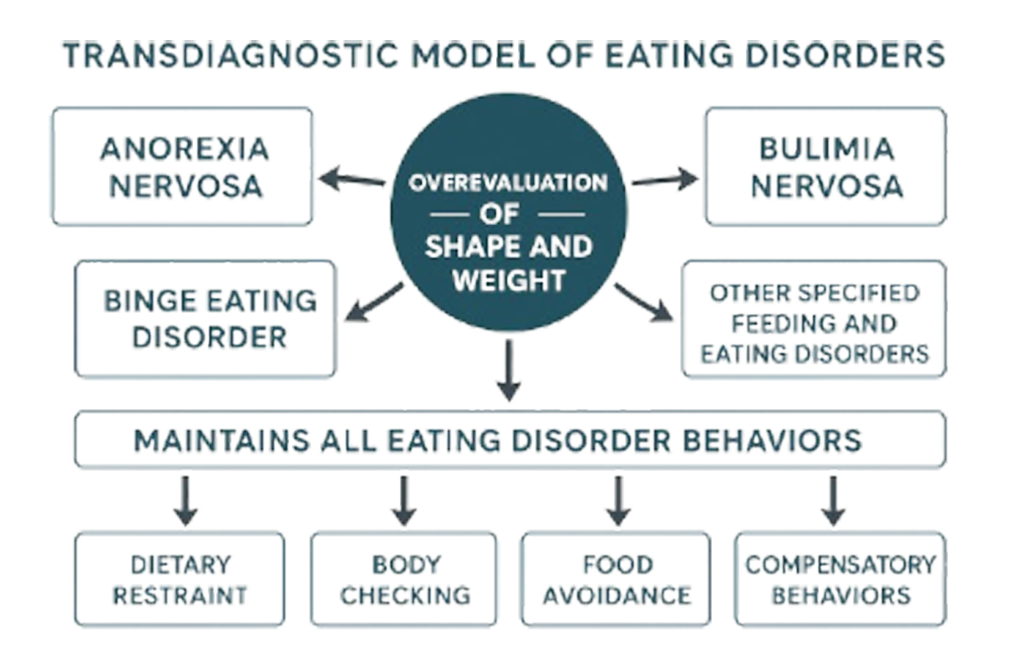
Eating disorder counselling integrates different approaches based on your needs and stage of recovery. This includes CBT focused work to help stabilize eating patterns, reduce distress around food rules, and manage urges in everyday situations. Counseling for disordered eating also draws from psychodynamic therapy and interpersonal therapy to explore emotional triggers, body image concerns, and relationship patterns. Somatic and body-based approaches are used to help you feel safer and more regulated in your body. Along the way, counselling gently works with themes like perfectionism, control, self-criticism, and safety, and is paced carefully so support feels steady, respectful, and sustainable rather than rushed.
Recovery looks different for everyone. Some people notice meaningful changes within a few sessions, while others choose to work more gradually over a longer period. Progress often happens in waves, because it involves unlearning long-held coping strategies and rebuilding trust with food and the body. There’s no fixed timeline; therapy moves at a pace that supports safety, stability, and lasting change.
Trying to manage disordered eating on your own can be exhausting and discouraging. It often turns into cycles of self-criticism, rigid rules, or feeling out of control followed by guilt. Counselling is different because you don’t have to carry this alone. A therapist helps you understand what’s beneath these patterns, supports you through the emotional discomfort, and works with you to build changes that feel realistic, compassionate, and sustainable rather than forced.
Counselling can support a wide range of eating-related concerns, including restrictive eating, binge eating, purging behaviors, emotional eating, body image distress, and anxiety around food. It also supports people who don’t fit a specific label but feel preoccupied, exhausted, or stuck in their relationship with eating.
Yes. Both online and in-person eating disorder counselling can be effective. Online sessions allow you to receive support from the comfort and privacy of your home which can feel safer, especially when discussing sensitive topics like food, weight, or body image. What matters most is feeling supported and understood, not the format.
That’s very common. For many people, eating behaviors develop as ways to cope with overwhelm, trauma, or emotional pain. Therapy begins by helping your nervous system feel safer and more stable, and then gently works through these deeper connections at a pace that feels manageable for you.
No. You don’t need a formal diagnosis to seek support. If your relationship with food or your body is causing distress, therapy can help. Counselling meets you where you are, whether you’re seeking clarity, relief, or a safer path forward.